🔥 EFFEUNO BLACK FRIDAY – SAVE UP TO 15% + FREE PEEL ON SELECTED OVENS – SHOP NOW →

Pizza Oven Temperature Guide: Finding the Right Heat

Getting the right pizza oven temperature is one of the biggest factors in achieving consistent results. The ideal temperature depends on the pizza style, dough, toppings and desired bake time.

Pizza Oven Temperature Quick Guide

These are useful starting ranges. Your ideal temperature and timings will depend on your oven, dough and recipe. But this table is only a useful guide, read on to find out more about oven heat and measuring temperature.
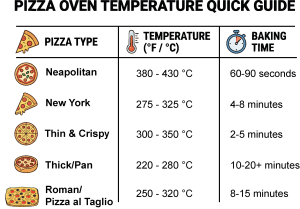
Pizza Type Oven Temperature Chart

It’s Not Just About the Oven Temperature display

One of the most common mistakes is treating the oven's displayed temperature as the only measurement that matters.
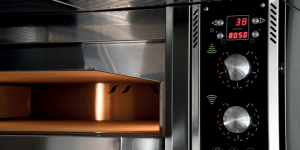
For pizza, the cooking surface or deck temperature is particularly important. This is the surface transferring heat directly into the dough, while the ambient temperature affects the top of the pizza. A pizza oven might show a high internal temperature, but if the deck hasn't recovered between bakes, the base can still cook differently from one pizza to the next.
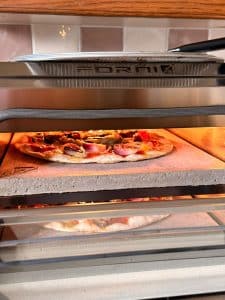
This is why most professional ovens will pay attention to both top heat and bottom heat. For example, the Effuuno range are favorite among those looking for a compact oven with great temperature control, they feature entirely separate thermostats and heat controls over the ceiling and stone deck elements Or consider a double deck or stackable pizza ovens, which feature independent chambers with separate controls for each deck, allowing you to bake different items or run a single deck during quieter hours.

Match the Heat to the Pizza

Different pizza styles will require different approaches, so here’s what you need to consider for each one:

Neapolitan Pizza

Neapolitan pizza is designed for very high heat and a rapid bake. Temperatures around 380 to 430°C on the cooking surface can produce the characteristic blistered crust and soft centre in roughly 60 to 90 seconds.

At these temperatures, heat management is critical. A small change in positioning or deck temperature can quickly affect the crust.

Thin & Crispy Pizza

Thinner, crispier pizzas generally benefit from a lower temperature and longer bake. Around 300 to 350°C gives the dough more time to dry and crisp without burning the toppings.

New York Style

New York-style pizza typically sits between very high-temperature Neapolitan baking and lower-temperature pan pizza. Around 275 to 325°C provides enough heat for a well-browned base while allowing the larger pizza to cook through.

Thick or Pan Pizza

Thicker pizzas need more time for the centre of the dough to cook properly. A lower temperature of around 220 to 280°can help prevent the outside from becoming overdone before the middle is ready.

How to Know If Your Oven Is Too Hot?

Signs that your oven may be running too hot include:

If this happens, reducing the temperature isn't always the only solution. Moving the pizza to a cooler area of the deck or adjusting the balance between top and bottom heat may produce better results.

What If Your Oven Is Too Cool?

A cooler oven can cause:

Measuring Pizza Oven Temperature

An infrared thermometer allows you to measure the cooking surface directly and identify differences across the deck.
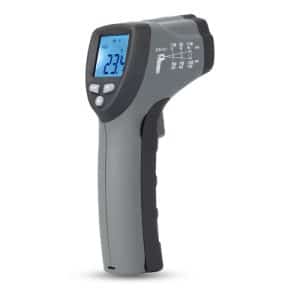
Checking the temperature in several areas can also reveal hot and cool spots, helping you decide where different pizzas should be positioned during service.

For professional pizza makers, the goal isn't simply to have a hot oven, it's to have controlled, repeatable heat. 

So if you would like to test any of our ovens for compatibility contact us to arrange a demo in our pizza showroom. Or ask us about our pizza training courses.
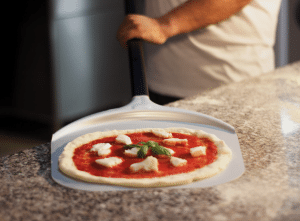
How many Pizza Peels do you actually need?

Different stages of the pizza-making process call for different tools.

A peel used to launch a delicate, freshly topped pizza is doing a very different job from the small peel used to turn a pizza inside a 450°C oven. And the peel used to retrieve a finished pizza doesn’t necessarily need the same characteristics as the one used for preparation.

Spend any time around a busy pizzeria and you’ll quickly notice something: they rarely use just one peel.

So, how many pizza peels do you actually need?

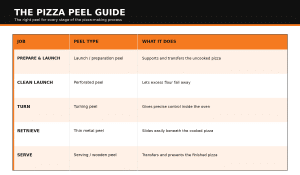
One pizza, five jobs: which peel does what?

Before deciding how many peels you need, it helps to understand the different jobs they can perform.

1. Prep & launch peel

Build, support and launch the pizza.

This is the peel used to support the dough while you stretch and top your pizza, then transfer it into the oven.

A good launch peel needs to be light, rigid and easy to manoeuvre, with a surface that allows the dough to slide cleanly into the oven.

For many home pizza makers, an all-purpose peel can perform this job perfectly well. But when you’re making pizza regularly, a dedicated launch peel can make the process considerably easier.

GIMetalNonPerforatedLaunchPeel

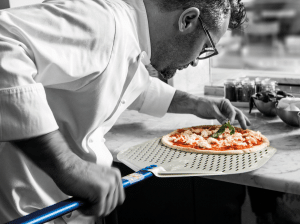
 2. Perforated launch peel

Launch the pizza while reducing excess flour going into the oven.

Perforated peels have become increasingly popular because the holes allow excess flour or semolina to fall

That’s particularly useful when cooking at very high temperatures, where loose flour can burn on the oven floor and affect the flavour of the pizza.

The perforations can also help steam escape when handling a cooked pizza, helping to preserve a crisp base.

GIMetalPerforatedLaunchPeel

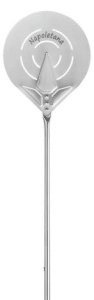
3. Turning peel

To get underneath part of the pizza and rotate it without taking the pizza out of the oven.

That’s particularly useful when cooking Neapolitan-style pizza at very high temperatures, where the pizza may only be in the oven for a minute or so.

Keeping the pizza on the hot cooking surface while turning it also helps maintain the heat of the bake.

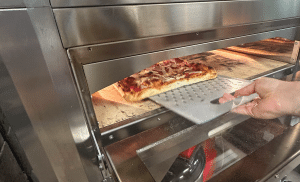
4. Retrieval peel

Get the finished pizza safely out of the oven.

Once the pizza is cooked, you need to get it off the oven floor and onto a board or serving surface.

A thin, appropriately sized metal peel can slide underneath the pizza and lift it without damaging the crust.

For some pizza makers, the same peel used to launch the pizza can also be used for retrieval. For others, keeping the preparation peel separate from the hot retrieval tools makes the workflow easier.

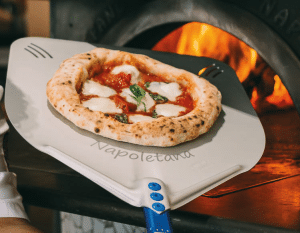
GI Metal Neapolitan Peel

 5. Serving peel

Transfer the finished pizza and serve it.

A serving peel is less about getting the pizza into the oven and more about what happens afterwards.

Depending on the setup, a wooden or presentation-style peel can double as a serving board, allowing the pizza to go directly from oven to table.

This can be particularly useful in restaurants where presentation is part of the experience. 

GI Metal Peels used to serve GI Metal Perforated Serving Peel

So, how many pizza peels do you actually need?

For someone making the occasional pizza at home, one good all-purpose peel may be all you need.

A conventional peel can prepare, launch and retrieve a pizza, and can usually manage basic turning too.

But once you start making pizza more frequently, having a second peel makes a noticeable difference.

The professional setup

In a busy pizzeria, the question becomes less about how many peels do I need? and more about workflow

When you’re producing pizza continuously, small improvements in speed, control and consistency can add up.

Different ovens, pizza styles, pizza sizes and production volumes can all influence the ideal peel setup.

A professional pizza maker might therefore have several different peels available, with each one selected for a particular task.

And that’s the important point:

A pizza peel isn’t just an accessory. It’s a piece of production equipment.

The right peel for the right job

Pizza Peel Type Table


Of course, there can be overlap. A good all-purpose peel may be capable of performing several of these jobs.

But capable of doing a job isn’t necessarily the same as being the best tool for that job.

That’s why experienced pizza makers often end up with more than one peel.

The real question isn’t “How many peels do I need?”

It is....

What jobs am I asking my peel to perform?

If you’re stretching dough, launching pizza, turning pizza, retrieving pizza and serving pizza with the same tool, you’re asking one piece of equipment to do five different jobs.

For occasional pizza making, that’s perfectly reasonable.

For someone making dozens or hundreds of pizzas, separating those jobs can make the process faster, cleaner and more consistent.

The right number isn’t necessarily three, four or five.

It’s enough to give every stage of the pizza-making process the right tool.


Seasonal Pizza: Making the most of fresh, local produce

For independent pizzerias, cafés and artisan food businesses, seasonal pizza is a simple way to keep a menu interesting while making the most of fresh, locally available ingredients.

Pizza is one of the most versatile foods around. The dough and cooking method might stay the same, but the toppings can change completely with the seasons.

And late summer is a particularly good time to look at what can be put on a pizza.

What is seasonal pizza?

Seasonal pizza is simply about making use of ingredients when they are naturally at their best and most readily available.

Rather than relying on exactly the same toppings throughout the year, chefs can build pizzas around what’s being grown locally and what’s tasting best right now.

In late summer, that could mean ripe tomatoes, courgettes, aubergines, peppers, sweetcorn, garlic and fresh herbs. As autumn arrives, the focus can shift towards squash, mushrooms, beetroot, potatoes and other hearty vegetables.

The result isn’t just a changing menu. It’s a different way of thinking about pizza.

SEASONAL PIZZA TOPPINGS TO TRY:-

Some of the best seasonal pizzas don’t need a long list of ingredients.

Tomatoes, basil and mozzarella

A classic combination for a reason. When British tomatoes are at their best, they need very little help. Add good mozzarella, fresh basil and a drizzle of olive oil and you’ve got a simple summer pizza that lets the ingredients do the work.

Courgette, roasted onions and herbs

Thinly sliced or roasted courgette works particularly well on pizza. Add, roasted onion, mozzarella and fresh herbs for a light summer combination.

Roasted aubergine and tomato

Aubergine brings a rich, savoury flavour when roasted, making it a natural partner for tomato, garlic and cheese.

Sweetcorn and peppers

Charred sweetcorn and peppers can add colour, sweetness and a little smokiness. Add chilli for some extra heat.

The important thing is not to overcomplicate things. Seasonal ingredients are often at their best when they’re allowed to be the star of the pizza.

Why use local produce on pizza?

There is also a wider conversation around sourcing ingredients locally.

Pizza is an international food, and some traditional ingredients will naturally come from much further afield. But that doesn’t mean every topping has to.

For independent cafés and pizzerias, looking at what is available from local growers and producers can create opportunities to introduce genuinely distinctive dishes.

A seasonal pizza topped with locally grown vegetables has a story behind it. It tells customers something about the place they’re eating in and the people producing their food.

That fits naturally with the growing interest in farm-to-fork cooking  connecting food more closely with where it is grown and the people who produce it.

One example is FarmED in the Cotswolds, where seasonal produce from the farm and local producers plays an important role in the café’s approach to food.

We’ve also recently supplied LloydPans to chef Gareth Rhodes, who works with the FarmED Café. Gareth has been creating some great-looking pizzas using seasonal ingredients, and we’ve enjoyed seeing how the pans are being put to use.

Seasonal Pizza by FarmEd

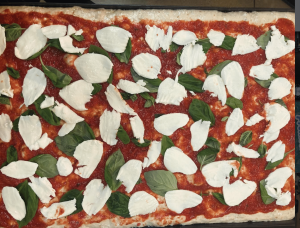
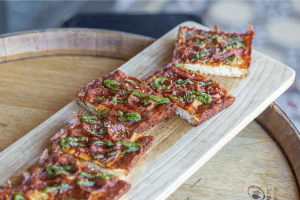
Photo: Tray pizza by Gareth Rhodes, baked for the FarmEd school class using fresh tomatoes and herb - using Lloyd pans

FarmEdCafeInCostwolds

Photo: FarmEd Cafe in Cotswolds


It’s a good example of how pizza can fit naturally into a farm-to-fork approach: take what’s available, make the most of it and turn it into something people want to eat.

Could British produce inspire more pizzas?

For the UK pizza industry, there’s plenty of potential here.

We don’t necessarily need to replace traditional Italian ingredients or abandon established pizza styles. Instead, seasonal British produce can sit alongside them.

A pizza menu could evolve throughout the year:

Summer: tomatoes, courgettes, aubergines, peppers, sweetcorn and fresh herbs.

Autumn: squash, mushrooms, beetroot, potatoes and caramelised onions.

Winter: roasted roots, leeks, kale, and slow-cooked vegetables.

Spring: asparagus, peas, spring onions and fresh herbs.

That gives chefs a constantly changing source of inspiration and gives customers a reason to return to see what’s new.

The right pan for seasonal pizza

Of course, good ingredients are only part of the equation. The equipment used to bake the pizza matters too.

At Pizza Equipment and Supplies Ltd, we supply a range of professional pizza equipment, including LloydPans for different pizza styles.

From Detroit-style and Sicilian pizzas to Roman pizza al taglio and focaccia, the LloydPans range gives professional kitchens plenty of options for experimenting with different doughs, shapes, crusts and toppings.

Seasonal Tray Pizza

For businesses looking to introduce seasonal pizzas, Roman-style pizza al taglio can be particularly interesting. Producing pizzas in larger rectangular pans makes it possible to offer several different varieties, meaning a changing seasonal menu can be built around smaller batches of different toppings.

Let the seasons shape your pizza menu

Seasonal pizza doesn’t have to mean completely reinventing a menu every few months.

Sometimes it’s simply about looking at what’s available locally and asking how it could work on a pizza.

A handful of ripe tomatoes. Fresh herbs from a nearby grower. Roasted autumn squash. Locally grown mushrooms.

Small changes can make a menu feel fresher, more relevant and more connected to the place where the food is being served.

For artisan makers, independent cafés and smaller pizzerias, that can be a powerful idea.

Instead of asking what toppings you can put on a pizza, why not start by asking what’s growing now?

Explore the LloydPans range at Pizza Equipment and Supplies Ltd.

LloydPans

Take stock of your pizza equipment, ready for European Pizza Show

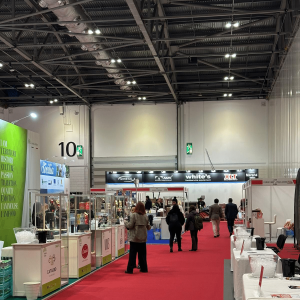
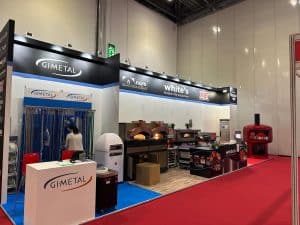
If you’re considering an equipment upgrade, we’ll be at The European Pizza Show at ExCeL London on 18 & 19 November, so it’s a great opportunity to come and have a chat with us in person.

MeetingAtEuropeanPizzaShow

September is a good time to take a look at your pizza kitchen before the busy months really get underway.

If there’s a piece of equipment that’s been frustrating you, a process that’s taking longer than it should, or something you’ve been meaning to upgrade, now is the time to start thinking about it.

You don’t necessarily need to replace everything. Sometimes a better-sized mixer, a few more pans, improved storage or a small change to your setup can make a surprisingly big difference when you’re busy.

That’s the kind of thing we like talking to our customers about, what you’re doing now, where the pinch points are and what might make life easier.

In the meantime, here are a few things worth looking at before the autumn rush arrives.

Is your oven large enough?

Your oven is at the heart of your pizza operation, so any bottleneck here is going to make itself known quickly.

If you’re regularly waiting for oven space, having to stagger orders or watching pizzas pile up during peak periods, it may be worth looking at whether your current capacity still matches your business.

And if you’ve grown since you bought your oven, don’t assume the answer is necessarily another oven. The right cooking capacity and a well-planned workflow can make a big difference. Take a look at it now and get ready to have a chat and see some demos on our stand.

European Pizza Show 2026

Is your mixer still the right size?

It’s easy to forget about the equipment doing the work behind the scenes.

If your dough production has increased, your mixer may now be working much harder than it was when you bought it. Perhaps you’re splitting batches or running it several times a day just to keep up.

It’s worth comparing your current dough production with the capacity you actually need.

A more suitable mixer can mean fewer batches, less handling and a smoother prep routine.

Have you got enough pans?

This is one of those things you tend to notice when you’re already in the middle of service.

If you’re regularly running short of pans, washing and reusing them quickly, or hanging onto older pans because you don’t quite have enough stock, it could be worth reviewing what you’ve got before the busy season.

You may not need a complete replacement. Adding a few more of the sizes you use most could be all that’s needed.

And if you’re introducing a new style of pizza, different pan sizes and formats can also give you more options for your menu.

Could better storage make life easier?

Equipment doesn’t just need to work well it needs to work well in your kitchen.

Take pan storage. If pans are stacked wherever there’s space, staff are constantly moving things around to find the right size, or your storage area is becoming a bottleneck, the problem might not be the pans themselves.

A suitable rack, shelving system or trolley can keep everything organised and make better use of the space you already have.

Sometimes it’s the simple changes that make the biggest difference.

What have you been making do with?

Every commercial kitchen has something.

The mixer that’s slightly too small. The prep area that’s always cramped. The pan rack that’s permanently full. The oven that copes perfectly well, until Friday night.

None of these necessarily needs replacing immediately. But if something regularly slows the team down, costs time or creates frustration, it’s worth putting it on your equipment wish list.

You might find there’s a straightforward solution.

Start planning now!

The autumn and winter months are a good opportunity to make sure your equipment is working for you rather than against you.

If you’re considering an upgrade but aren’t sure what would make the biggest difference, give us a call or come and talk to us at the European Pizza Show.

European Pizza Show Whites

We’ll be at ExCeL London on 18–19 November, with plenty of pizza equipment to look at and, more importantly, plenty of experience to share. Use this registration link to book your free place.

EuropeanPizzaShow logo2026

Bring your questions. Tell us what’s working, what’s not and what you’d like to improve. We’ll be happy to talk it through.

When the heat gets turned up, keep your toppings on!

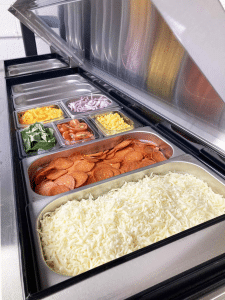
When the heat gets turned up, keep your pizza toppings fresh with Gastronorm (GN) pans. 

Summer is a good reminder that keeping a pizza kitchen organised isn’t just about looking tidy, it’s about making service easier, keeping ingredients fresh and helping your team work efficiently when the heat really is on. 

And one of the most practical and cost-effective places to start? Take a closer look at how you’re storing and preparing your ingredients. 

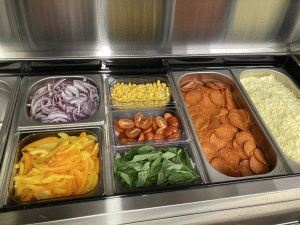
A well-organised topping station should almost work like a production line. The ingredients you use most should be easy to see and easy to reach, while everything else should have its own logical place. 

This is where Gastronorm pans can make a surprisingly big difference. 

Why choose a Gastronorm for storage? 

GN (Gastronorm) pans are not all one single size, but they do follow a strict, standardized modular sizing system used worldwide.  

So the base unit is a full-size GN 1/1 pan, which measures 530 x 325 mm. All other pan sizes are exact mathematical fractions or multiples of this base dimension, meaning they fit together uniformly into commercial ovens, fridges, and prep counters. 

GN pans are one of the most versatile pieces of equipment, and it doesn’t matter which brand or material you choose they will all fit your modular units or frames. 

Used for food preparation, storage and service, GN pans allow you to create a consistent system for handling ingredients throughout the kitchen. 

Think mozzarella, pepperoni, tomatoes, peppers, onions, olives, cooked meats, sauces and all the other ingredients that make up your menu. 

Instead of a collection of mismatched tubs and containers, a properly planned GN setup gives your kitchen a standardised way to store and organise ingredients. 

From fridge to topping station 

One of the biggest advantages of the Gastronorm system is that it can support your workflow from preparation through to service. 

Ingredients can be prepared and stored in appropriate GN pans before being moved into position for service, reducing unnecessary transfers and helping your team maintain a consistent process. 

That means your workflow can be designed around the way your kitchen operates: 

Prep → store → replenish → top → serve. 

It’s a simple concept, but getting those stages working smoothly can make a noticeable difference to a busy kitchen. 

Not every topping needs the same pan 

Here’s where a little planning can make a big difference. 

GN pans are available in a variety of sizes and depths, so choosing the right one for each ingredient is important. 

A popular topping that disappears during a busy service may benefit from a larger or deeper pan, while a less frequently used ingredient could be better suited to a smaller container. 

Similarly, a shallower pan may make more sense for ingredients that need to be accessed quickly and regularly at the topping station. 

Rather than simply asking “What size GN pan do I need?”, ask: 

“How does this ingredient move through my kitchen?” 

How much do you prepare? How quickly do you use it? How often does it need replenishing? Where will it be stored? 

Answer those questions and choosing the right GN pan becomes much easier. 

Keeping cool when the kitchen heats up 

Of course, GN pans aren’t going to make your kitchen cooler! 

Good organisation can make a hot kitchen feel much more manageable. 

When ingredients are clearly organised and easy to access, staff don’t need to spend unnecessary time moving around the kitchen or searching for what they need. 

That becomes particularly valuable during a summer service when temperatures are already putting additional pressure on the team. 

Good food storage and temperature control are also especially important during hot weather, making it essential that pizza businesses continue to follow appropriate food safety procedures and maintain suitable storage conditions.  

A simple way to tackle food waste 

There is another benefit to getting your GN setup right: better control over ingredients. 

Pizza toppings can represent a significant investment, particularly when you’re working with fresh vegetables, cheeses, meats and prepared ingredients. 

Using appropriately sized pans can make it easier to prepare sensible quantities for each service rather than automatically filling large containers. 

Matching preparation quantities to demand can help make stock easier to monitor and potentially reduce unnecessary waste. 

Combine this with good labelling, stock rotation and sensible portion control, and your GN system becomes part of a much bigger approach to managing food costs. 

Don’t forget the lids 

GNpanWithLid

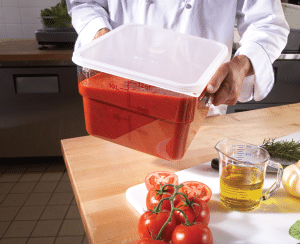
When talking about GN pans, it’s easy to overlook one important accessory: the lid. 

For storage applications, suitable lids can help protect ingredients and make containers easier to manage when they’re being moved or stored. 

Having a consistent selection of pans and lids also means your kitchen team doesn’t have to improvise when something needs covering or storing. 

It’s another small detail that can contribute to a more organised kitchen. 

Stainless steel or plastic? 

There isn’t necessarily one GN pan that’s right for every application. 

Stainless steel GN pans are a popular choice for professional kitchens thanks to their durability, versatility and ability to cope with the demands of regular commercial use. Plus you can reheat the contents straight from the fridge in a steel pan. 

Food-grade plastic GN pans can also be useful in certain applications, offering benefits such as being lightweight and, depending on the design, allowing ingredients to be easily identified. Heavy duty, no stick and food safe, they can be very versatile (allowing you to freeze contents without having to worry about changing the container) 

To arrange your GN pans together you will need the recommended stainless steel adaptor bars to keep the unit neatly organised.

And don't forget topping units, designed to hold your GN pans and keep them refrigerated. VRX Topping Units by Atosa are available with glass OR stainless steel lids and side mounted compressor units.

The important thing is to choose your equipment based on how you’re going to use it. 

A prep station may have different requirements from a refrigerated storage area, and the best setup is often a combination of equipment rather than one solution for everything. Call us for advice and we can find the best fit for your business. 

GNpansGroup


Dough-based desserts: great menu addition or gimmick?

Is dessert pizza actually a viable menu opportunity or is it simply a novelty that customers try once and forget? Can you use your skills and equipment to offer other sweet menu offerings? 

For a pizza restaurant, desserts made using dough aren’t starting from scratch. You already have the most important ingredients: dough-making expertise, professional equipment and experienced staff. 

Rather than being a gimmick, these could be one of the simplest ways to create an additional revenue stream. 

Why Desserts are Getting Attention 

Consumer expectations around dining are changing. Customers increasingly want experiences, not just meals, and desserts are becoming an important part of that. 

According to Dr. Oetker Professional research, 78% of consumers want to see more exciting desserts on restaurant menus, while more than half say they are bored with traditional dessert choices. 

The UK’s biggest pizza chains have already recognised that customers are happy to finish their meal with something sweet. Desserts, cookies, brownies and other sweet treats have become a familiar part of many pizza menus. 

For independent pizzerias, the opportunity is not simply adding another dessert, it is creating one that makes the most of what they already do best. 

A dessert pizza, sweet buns or pastries combine the comfort and familiarity of pizza with flavours customers already love, from chocolate and caramel to fruit and cinnamon. 

Why Dessert Pizza Makes Business Sense 

The biggest misconception about dessert pizza is that it requires a completely different approach. 

It doesn’t. 

A successful pizza restaurant already has: 

That means the barrier to entry is surprisingly low. 

Unlike adding an entirely new dessert category, dough-based deserts allow operators to make better use of resources they already have. 

It can also help increase average order value by encouraging customers to add a sweet finish to their meal. 

The biggest investment has already been made. 

The opportunity is to maximise it. 

How about Dessert Pizza? Ideas Customers Will Want to Try 

The beauty of dessert pizza is its flexibility. Operators can create simple options using a small number of ingredients or develop premium seasonal specials. 

Chocolate Hazelnut or Cream & Strawberry Pizza 

A classic combination that balances rich chocolate with fresh fruit. 

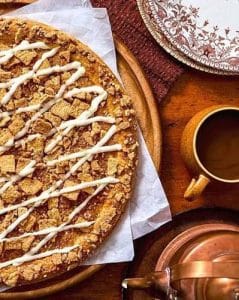
Apple Crumble Pizza 

A seasonal favourite combining baked apple, cinnamon and crumble topping. 

Biscoff & Caramel Pizza 

A social-media-friendly option with plenty of visual appeal. 

Cheesecake-Inspired Pizza 

Cream cheese toppings, fruit and sweet sauces create a dessert that feels completely different from a traditional pizza. 

Tiramisù Pizza 

A plain white pizza base, spread with coffee, then topped with Tiramisù cream and Savoiardi biscuits, and finished with a dusting of cocoa powder. 


Limited-time flavours can also encourage repeat visits and allow operators to test demand before committing to a permanent menu item. 


You Already Have the Equipment 

One of the strongest arguments for dessert pizza is that most pizzerias already own the foundations needed to make it successful. 

A quality pizza oven, reliable dough preparation equipment and the right serving accessories can all play a role in creating a professional dessert offering. 

A professional pizza setup is capable of much more than producing traditional savoury pizzas. With the right approach, it can become the foundation for additional profitable menu options. 

LloydPans®: Creating Consistency 

Consistency is just as important for dessert pizza as it is for a classic Margherita. 

For operators creating thicker dessert pizzas, cookie-style pizzas or shareable formats, quality pans can help achieve reliable results. 

LloydPans® are designed for professional kitchens where repeatability matters. A consistent bake, accurate portioning and a professional finish help ensure customers receive the same experience every time they order. 

The same principle applies across a menu: great equipment helps create great products. 

​ 

Linea Dori Boards: Presentation Matters 

Dessert is often about the experience as much as the flavour. 

A beautifully presented dessert pizza or bun arriving at the table on a quality serving board instantly feels more like a finished dessert rather than simply a sweet version of a main course. 

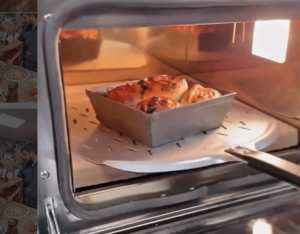
Linea Dori serving boards help operators create that premium presentation, making deserts more appealing for customers and more shareable online. Click here to see the reel of the blueberry muffins being made in the Effeuno electric oven.

LineaDoriServingBoard    

​ 

Effeuno Ovens: More Than Just Pizza 

Modern pizza equipment can be incredibly versatile. 

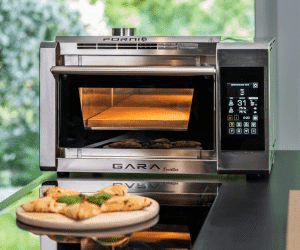
Effeuno ovens are a great example of how operators can explore additional menu opportunities beyond traditional pizza. The same principles of heat control, consistency and quality baking can be applied to sweet creations, from dessert pizzas to other baked treats. 

For businesses looking to maximise the value of their equipment, versatility matters. 

A professional oven isn’t just a tool for producing one menu item, it can become the foundation for a wider range of profitable products. 

​   Effeuno Gara Baking


Is Dessert Pizza Really Worth It? 

Of course, desserts will not be right for every restaurant. 

But dismissing them as a gimmick could mean overlooking a genuine opportunity. 

For a pizzeria, the investment is relatively small because the foundations are already there. 

You have the dough. 

You have the oven. 

You have the skills. 

You have the customers. 

Adding a dessert pizza isn’t about creating an entirely new business model, it is about making better use of the one you already have. 

The Verdict: Genius Menu Addition or Costly Gimmick? 

For businesses that don’t already make pizza, desserts may seem like a challenge. 

For a pizzeria, it is a different story. 

The big chains have already proved that customers are willing to order something sweet after pizza. The opportunity for independent operators is to create something more distinctive, using the skills, equipment and creativity they already have. 

With customers looking for more exciting desserts and operators looking for profitable ways to stand out, the dessert or sweet treat deserves serious consideration. 

So what do you think? 

Is dessert pizza a genius menu addition or should pizza stay firmly savoury? 

Let the debate begin. 


How to prepare Pizza Dough in Hot Weather

As temperatures rises, pizza dough can suddenly become difficult to manage, with dough fermenting too quickly, becoming sticky, or losing strength before service. 

The good news is that you don't necessarily need a new recipe, you simply need to adapt your dough preparation to suit the warmer conditions. 

Why Hot Weather Affects Pizza Dough 

Yeast activity increases as temperatures climb. Combined with the heat generated during mixing, it's easy for dough to become warmer than intended before it even reaches the fermentation stage. 

A dough that's too warm can: 

For most pizza styles, consistency starts with controlling the finished dough temperature, not simply the temperature of the ingredients. 

Is adding ice the answer? 

Many pizza makers add ice to the mixer to reduce dough temperature, but this doesn't always produce the desired result. 

One common problem is sticky dough. This usually isn't caused by the ice itself, but because some of it hasn't completely melted before mixing finishes. The remaining water is released late in the process and doesn't fully incorporate into the dough structure. 

Large ice cubes are often the biggest culprit. Their thick shape means they melt slowly, making them unsuitable for shorter mixing times. They can also increase the mechanical load on the mixer as the dough hook works around solid pieces of ice. 

For this reason, if you choose to use ice, crushed or chipped ice is a much better option. It melts more quickly, incorporates more evenly and places less stress on the mixing process.

Better Still: Use Ice-Cold Water 

Many experienced pizza chefs prefer using chilled water rather than adding ice directly to the mixer. 

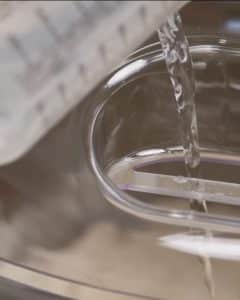
Cold water cools the dough immediately while ensuring all the liquid is incorporated evenly throughout the mix. It also allows the mixer to work under normal conditions without the additional resistance caused by solid ice. If extra cooling is needed, stir crushed ice into your water first, allowing part or all of it to melt before adding the water to the flour. This lowers the water temperature without leaving large pieces of ice in the bowl.  

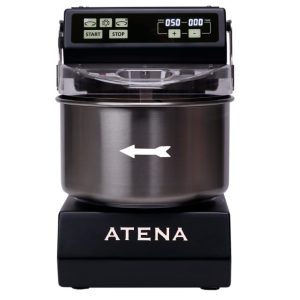
The PEB Spiral mixers have a slot on the bowl guard; this allows you to add cold iced water etc. to the dough without stopping the kneading cycle. 

Peb Atena Dough Mixer Top Slot Peb Mixer

What If You Need More Ice? 

During particularly hot weather, especially when kitchen temperatures exceed 30°C, chilled water alone may not be enough. 

In these situations: 

This simple pause the ice from melting too late in the mixing process, helping maintain a smooth, consistent dough. 

If you hear pieces of ice striking the bowl during the final few minutes of mixing, stop the mixer and allow more time for them to melt before continuing. This not only helps prevent sticky dough but also avoids unnecessary impact on the bowl and dough hook. 

Protect Your Mixer While Mixing Dough 

Commercial spiral mixers are designed to handle demanding workloads, but good mixing practices help maximise both dough consistency and machine longevity. 

Where possible: 

These simple habits reduce unnecessary stress on the mixer while producing a more consistent dough. 

Calculate Your Water Temperature 

Rather than guessing, many professional pizzerias calculate the temperature of their mixing water each day. 

The flour, room temperature and mixer friction all contribute to the finished dough temperature. By adjusting only the water temperature, you can keep your dough remarkably consistent throughout the year. 

Reduce Yeast Instead of Fighting Fermentation 

If your dough regularly over-proofs in warm weather, resist the temptation to simply shorten the fermentation time. 

A better approach is often to reduce the yeast slightly while keeping your usual fermentation schedule. This allows the dough to mature more evenly and maintains flavour development. 

Small changes usually have a much bigger impact than dramatic recipe adjustments. 

Keep an Eye on Dough Temperature 

Many professionals use an infrared thermometer or probe thermometer to check the finished dough temperature after mixing. 

Recording this figure each day helps identify problems before they affect service. 

Consistency is far easier to achieve when you're measuring rather than guessing. 

Manage Dough Boxes Carefully 

How you stack your dough boxes can make a surprising difference. 

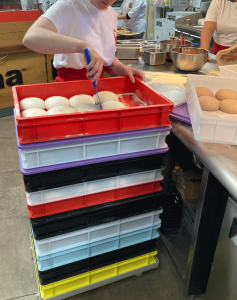
Stacking boxes with small gaps between them immediately after balling allows excess heat to escape, slowing fermentation during the first hour or two. 

Once the dough has cooled, boxes can be nested or lidded normally before refrigeration. Keep them stacked when you take them out of the fridge to help retain the cooler temperature. 


Stacked Pizza Dough Trays

Pizza Dough Box and Lid ​ 

Mix at the Coolest Time of Day 

If possible, prepare dough early in the morning before the kitchen heats up. 

Even a difference of a few degrees in room temperature can significantly reduce dough temperature after mixing and improve consistency throughout the day. 

Avoid Drying Out 

Warm kitchens can also dry the surface of dough quickly. 

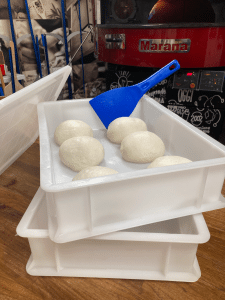
Always keep dough balls covered or sealed in dough trays with lids to prevent skinning, which makes stretching more difficult and affects the finished crust. 

Final Thoughts 

Hot weather doesn't have to mean inconsistent pizza. 

By focusing on finished dough temperature, using properly chilled water, adjusting yeast where necessary and monitoring fermentation more closely, you can keep your dough performing consistently even during the hottest weeks of the year. 

In most cases, chilled water is a better solution than adding large amounts of ice directly to the mixer. It gives you greater control over dough temperature, produces more consistent results and helps your mixer operate as intended. 

Small adjustments made before mixing are far easier than trying to rescue over-fermented dough later. A little extra attention to temperature and timing will help produce stronger dough, better handling, more consistent pizzas and years of reliable performance from your mixer. 

Contact us for pizza making courses or to see some of the equipment in action.  


The UK's Favourite Pizza Styles

Whether you're launching a new pizzeria, refreshing your menu or investing in commercial pizza equipment, understanding what customers really want is essential. While traditional favourites continue to dominate, consumer tastes are evolving, with younger generations embracing new pizza styles and flavours. 

According to the latest consumer research*, based on a nationally representative survey of UK consumers, thin and crispy remains the UK's favourite pizza style. However, the findings also reveal growing demand for pan pizzas, sourdough bases and exciting new pizza trends. 

So, what do these insights mean for pizza businesses? Let's take a closer look. 

The Nation's Favourite Pizza Styles 

 
Uks Pizza Preferences by Style
 

Thin & Crispy Comes Out on Top 

When asked which pizza style they preferred, 22% of consumers chose thin and crispy, making it the UK's favourite overall.  

It's worth noting that thin and crispy is a consumer-led description rather than a formally recognised pizza style. Unlike classifications such as Neapolitan, New York, or Chicago deep dish, it isn't defined by organisations like the Associazione Verace Pizza Napoletana (AVPN), which focuses solely on authentic Neapolitan pizza. The researchers have used the term thin and crispy as it is commonly understood by consumers, a pizza with a thin base and a crisp, crunchy texture, rather than as an official style designation. 

The ‘thin and crispy’ style might not be is clearly defined or officially classified, but it does take the top spot. Traditional styles are also very popular, with Neapolitan (14%), New York Style (13%), Deep Dish (13%) and Pan Pizza (13%) all receiving strong support. This suggests that while consumers are open to a variety of pizza experiences, they still appreciate the traditional. 

What equipment do you need for the best thin and crispy pizza 

The secret to a perfectly thin and crispy pizza isn't just the dough, it's the equipment.  

A preheated baking steel or pizza stone provides the intense heat needed for a crisp base. We specialise in professional grade appliances with pizza stones, check out the Effeuno range and the IGF blackline. Or try our pizza Baking Steel, designed to be placed in a conventional oven, it will have the same heat capacity as a stone. 

To maintain the thin consistency try using a dough press. And don’t forget a perforated peel, dough docker, and mesh pizza screen all help create an evenly cooked crispy texture. 

Match Your Equipment to the Pizza Styles Customers Love 

As consumer tastes continue to diversify, having the right equipment can help you serve every style to perfection. While thin and crispy remains the UK's favourite, strong demand for Neapolitan, New York, Deep Dish, Pan and even Detroit-style pizza means there's value in investing in purpose-built equipment. 

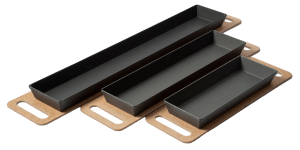
Long Detroit Pans by Lloyds Wooden Pizza Serving Board

Choosing equipment designed for specific pizza styles not only helps deliver authentic results but also gives you the flexibility to expand your menu and meet changing customer demand. 

Younger Consumers Are Changing the Pizza Landscape 


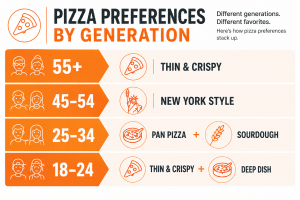
Pizza Preferences by Age

While thin and crispy was the overall favourite, the research highlights some differences between generations. 

Consumers aged 55 and over strongly favoured thin and crispy pizzas, with almost one in three selecting it as their preferred style. 

However, younger consumers are beginning to break away from tradition. 

Among 25 to 34-year-olds, just 5% chose thin and crispy. Instead, pan pizza and sourdough bases were their joint favourites, each attracting 17% of responses. 

Meanwhile, 18 to 24-year-olds split their preferences between thin and crispy and deep dish, showing a growing appetite for variety rather than one dominant style. 

What Can Pizza Businesses Learn? 

Classic styles like thin and crispy continue to dominate, particularly among older consumers, while younger generations are driving demand for pan pizzas, sourdough bases and more adventurous flavours. 

The key takeaway isn't that one style is replacing another, it's that customers increasingly value choice. 

For pizza businesses, flexibility is becoming just as important as quality. Offering a menu that caters to both traditional tastes and emerging trends can help attract a broader customer base, while investing in dependable commercial pizza equipment makes it easier to deliver consistently excellent results across every style. 


Key Takeaways 

✅ Thin & Crispy remains the UK's favourite pizza style (22%). 

✅ Neapolitan, New York, Deep Dish and Pan Pizza all continue to enjoy strong popularity. 

✅ Younger consumers are driving demand for pan pizza and sourdough bases. 
✅ Flexible, high-quality pizza equipment can help businesses adapt as customer tastes continue to evolve. 


Source 

*Consumer insights referenced in this article are based on research published by VYPR using a nationally representative survey of 250 UK consumers. This article summarises and interprets the findings to explore what they could mean for pizza businesses and the wider industry. 


Enjoying Summer Pizza with a portable electric oven

Electric pizza ovens are no longer just for conventional kitchens. Models like the Effeuno range are compact, portable and capable of producing authentic, restaurant-quality pizzas, making them an excellent choice for summer entertaining and even mobile catering businesses.

When people think of outdoor pizza cooking, they usually picture a traditional wood-fired oven or a gas-powered model. But there’s another option that’s becoming increasingly popular and it’s one many people overlook.Effeuno outdoor pic

Can you use an Electric Pizza Oven outdoors?

One of the biggest misconceptions is that electric pizza ovens are designed exclusively for indoor kitchen use.

In reality, an electric pizza oven can be used outdoors, provided it is positioned in a DRY, sheltered area that’s covered, fully waterproof and connected to a suitable power supply. Just ensure that you plug the unit into a safe, outdoor-rated and waterproof power outlet. 

As with any electrical appliance, it’s important to protect the oven from rain and moisture and always follow the manufacturer’s operating instructions. You should always place in a perfectly weather proof area. And you should always store your oven indoors in a dry place.

Perfect for Summer Entertaining

Summer is all about spending time with family and friends, and pizza is one of the easiest meals to share.

Unlike a conventional kitchen oven, a dedicated pizza oven reaches much higher temperatures, allowing you to cook authentic pizzas (in typically around 35 to 40 minutes, depending on the model).

All Effeuno ovens come with a hybrid baking stone. And most Effeuno models can bake pizzas up to 13 inches (34 cm) in diameter. The P150H supports larger pizzas up to approximately 50 cm. Effeuno Electric Oven Double pizza

Easy to Move When You Need To

One of the biggest advantages of an electric pizza oven is portability.

Many Effeuno models are compact enough to move between your kitchen and your covered outdoor entertaining area. When the weather is perfect, you can cook in sheltered outdoor spaces. If the forecast changes, as it often does during a British summer, you can simply move the oven. Plus you can make pizza all year round!


A Great Choice for Mobile Catering

Electric pizza ovens aren’t just for domestic use.

Food markets, festivals, pop-up events and mobile catering businesses are increasingly choosing electric ovens because they offer consistent temperatures, fast cooking times and straightforward operation where mains electricity is available.

Their compact footprint also makes transport and setup.

For caterers looking to expand their menu during the busy summer season, an electric pizza oven can be a practical and efficient investment. And it is truely versatile, the Effeuno can be used to make bread, focaccia, desserts, and anything that needs powerful, precise baking.

Consistent Results Every Time

One of the reasons pizza enthusiasts love electric ovens is the precision they offer.

Accurate temperature controls and even heat distribution help produce consistently crisp bases, beautifully cooked toppings and authentic Neapolitan-style pizzas without having to manage flames or fuel.

Whether you’re cooking one pizza or serving a queue of hungry guests, maintaining consistent performance is simple.

If you’ve been considering investing in a premium electric pizza oven, 
summer is the perfect time.

Whether you’re entertaining friends or serving customers at summer events, an Effeuno oven delivers professional-quality results with the convenience of electric cooking.

Browse our range of ovens and accessories today and discover why so many pizza enthusiasts and professionals are making the switch to Effeuno this summer.

Effeuno Peel

The Effeuno branded peel fits perfectly in the compact single or dual-chamber models (for 33-34 cm max pizza)

What EQUIPMENT do I need to make Authentic Teglia Romana Pizza?

Producing authentic Teglia Romana consistently requires more than just a great recipe. The combination of high-hydration dough, extended fermentation and large-format baking means that the right equipment can make a significant difference to the quality of this open textured pizza.

Teglia is a traditional Roman pizza style characterized by:

Roman Teglia Style Crust

Dough Mixers for high hydration dough

The process starts with a professional spiral mixer capable of handling hydration levels of 75–85%. The IGF Spiral mixers are designed to handle highly hydrated doughs and support the dough development required for Roman-style pizza production. Alternatively,  PEB mixers can cope extremely well with small batches of high hydration dough (for small batches up to 6kg the Atena is ideal and the larger Futura can mix up to 40Kg).

Teglia is cooked in a large rectangular tray, so you will need an oven with a sufficient deck capacity.

Once fermented and carefully stretched into its distinctive elongated shape, the pizza benefits from the controlled baking environment of an IGF Electric Deck Oven. Electric deck ovens are widely used for Teglia because they provide:

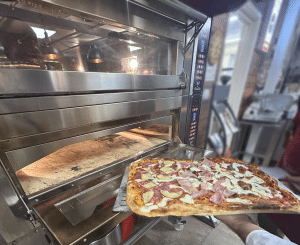
For this high hydration dough you will need a consistent deck and chamber temperature of around 260 -270 degrees. Teglia is usually pre-cooked for 5/10 mins on average, toppings added and then placed back in the oven for around 5 mins to finish off. The deck dimensions of the IGF ovens will also accommodate the larger format of Teglia, allowing easy handling of the rectangular trays.

Handling the dough and presenting the Pala Romana requires specialist  trays  and boards

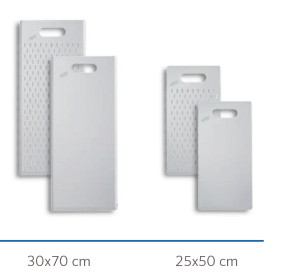
Handling and presenting the finished product is equally important. During our recent Teglia Romana training session, our chef used a 110cm GI.Metal perforated aluminium board, designed specifically for Pizza by the Metre production. After the pizza had been pre-cooked for 5 to 10 minutes, it was taken out of the tray and placed on the metal board. Toppings  were added and then placed back in the oven on the board for a further 5 minutes.  

Roman Teglia Crust IGF oven

Handle the pizza carefully, letting it cool before cutting into squares or rectangles 

The same metal perforated board is ideal for cooling and this board can also be used to serve. Cut the pizza carefully without damaging it’s airy texture, scissors are ideal for cutting gently and keeping the topping in place.

Together, the right mixer, oven and handling equipment help operators produce authentic Teglia Romana with consistency, efficiency and outstanding results.

At Pizza Equipment & Supplies Ltd, we supply everything needed to build a complete Romana pizza production setup, from high-performance dough mixers and electric deck ovens through to specialist peels and accessories designed for small artisan bakers or larger scale pizza production.