🔥 EFFEUNO BLACK FRIDAY – SAVE UP TO 15% + FREE PEEL ON SELECTED OVENS – SHOP NOW →

What is Tavern-Style Pizza?

Our guide to what makes an authentic Tavern Style pizza.

When people think of Chicago pizza, they usually picture Chicago-style deep dish pizza, thick crust and layers of cheese. But locals know a different story.  

Tavern-style pizza is the most eaten pizza in Chicago, and it’s been a staple in neighbourhood bars for decades. Known for its thin crust, crispy texture, and square slices, this style is built for sharing and socializing. 


Unlike deep dish, tavern-style pizza is: 

It’s simple, practical, and deeply rooted in Chicago’s food culture.


What Makes Tavern-Style Dough Different?


  1. Low Hydration (Drier Dough)

    ChicagotavernPizza

Tavern-style dough typically has lower water content than most other pizzas. 

Result: 


  1. Fat Is Added (Oil or Shortening)

Unlike traditional Italian doughs, tavern-style often includes: 

Why it matters: 


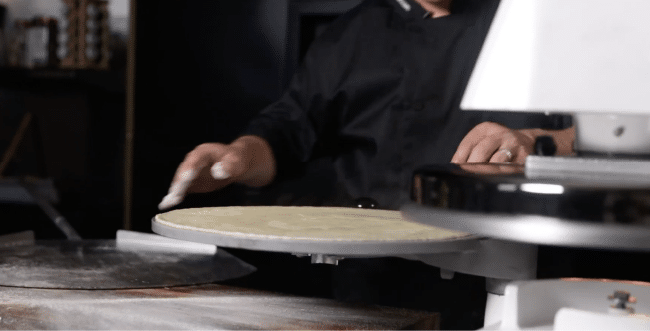
  1. Rolled or Pressed, Not Hand-Stretched

Instead of stretching dough like Neapolitan pizza, tavern-style is: 

Proluxe Dough Press tavern Style

Result: 


  1. Longer, Cooler Fermentation (Optional but Common)

Some tavern doughs are fermented: 

This adds: 

But unlike artisan pizza, fermentation is usually about consistency, not big airy structure. 

  1. Docking the Dough (Super Important)

This is a key step many people miss. 

Docking = poking small holes in the dough before baking. 
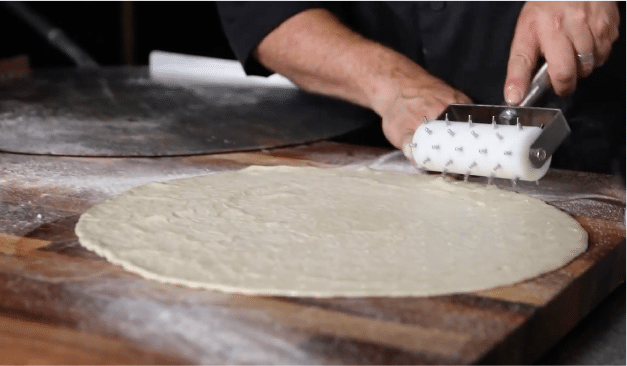
Dough Docker Tavern Style Pizza

Why: 

This is crucial for that uniform tavern-style base. 


Essential Tavern-Style Pizza Equipment 

  1.  Dough Making 

Optional upgrade: dough divider for consistency 


  1. Dough Forming (Key for Tavern Style)

This is crucial - tavern dough is pressed or rolled, not stretched 


  1. Oven (Most Important Investment)

You need: 


  1. Cutting Tools (Essential for “Party Cut”)

 Tavern-style = square cut, so this matters more than you think 


  1. Baking & Handling


Key Insight 

Tavern-style pizza doesn’t need fancy gear—but it does rely on the right process: 

Thin dough 
Even pressing 
Crisp baking 
Square cutting 

Get that right, and even a simple setup will produce authentic results. 


Deep Thoughts on Deep Pan Pizza

In this blog we will dive deeper into the history and characteristics of the Deep Pan pizza. Plus, what type of pans you might choose to make a traditional Deep Pan pizza?

The style of pizza most people refer to as ‘deep pan’ in its classic form was popularised in the United States in the mid-20th century. 

🏛 Italian Roots 

Pizza in Italy traditionally comes in thin-crust styles, like the Neapolitan pizza, which is soft, chewy, and baked in very hot ovens. 

Italian immigrants in the U.S. often adapted recipes to local tastes, ovens, and ingredients. They started experimenting with thicker dough, deeper pans, and more toppings, which led to the style we now recognize as Deep Pan pizza. 


🌆 Chicago Connection 

The modern Deep Pan pizza was first developed in Chicago in 1943 by Pizzeria Uno. 

Inventor: Ike Sewell (co-founder of Pizzeria Uno) wanted a pizza with a thicker, heartier crust that could hold lots of cheese and toppings, unlike the thin Neapolitan-style pizza. 

It was baked in deep, round pans, giving it that characteristic “bowl” shape that could support more layers of cheese, meats, and chunky tomato sauce. 

Pizzeria Uno (and later Pizzeria Due) made deep pan pizza famous in the 1940s and 1950s, spreading it across Chicago and eventually the U.S. 


🌆 Deep pan in the UK 

In 1980, Pizza Hut introduced its Pan Pizza, a thick, Deep Pan style pizza baked in specially designed oiled steel pans. 

Unlike Chicago-style deep dish, Pizza Hut’s Pan Pizza was slightly less deep, softer inside, and had a crispy, buttery base, designed for fast production in chain operations. 

The pan itself became a key selling point - it allowed Pizza Hut to produce pizzas consistently in every restaurant, and the “crispy edge” became a signature feature. 

Pizza Hut helped popularize deep pan pizza nationwide, making it accessible in casual dining and delivery. 

Their innovation wasn’t about inventing Deep Pan pizza - that came from Chicago - but about adapting the deep pan concept for mass-market, chain-style production. 


🍅 Key Characteristics That Emerged 

Thick, high-rising crust - almost bread-like on the bottom and sides. 

Generous layers of cheese and toppings - unlike thin-crust pizzas, which can only handle a modest amount. 

Tomato sauce on top - for Chicago-style specifically, though many deep pan pizzas today vary the order of ingredients. 

Baked in a deep, oiled pan - creating the signature slightly fried, golden crust. 


What to Look for in a Commercial Deep Pan? 

When we were choosing pans for our kitchen, we found that small design details made a big difference in performance. 

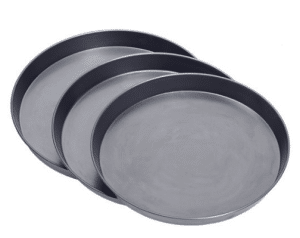
1. Material Matters 

What types of pans are available: - 

Black Iron retain heat longer, which helps build a strong, crispy base. They are usually uncoated, require seasoning which takes time and are prone to rust. 

Black Iron Pizza Pan

Aluminium is lighter and excellent for even heat distribution. They’re great for busy kitchens because they heat up quickly and are easy to handle. The bake is softer and more consistent, coatings will mean you don’t have to season these pans. 

In our experience, coated aluminium gives the best balance of durability, heat control, and low maintenance, but this all depends on budget and personal preference. 

2. Depth and Shape 

For a traditional deep pan pizza, we’ve found that 1½ to 2 inches deep works perfectly. It gives enough room for a generous amount of dough and toppings without creating a heavy, bread-like texture. 

Straight sides can help the dough rise evenly and make it easier to cut and portion the finished pizza.  

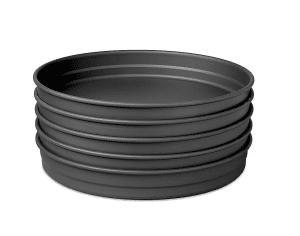
3. Stacking pans or pans with lids 

Many stacking pans are designed with reinforced edges, stacking these won’t warp the pan or damage the crust shape.  

Deep Pan Pizza Pans stacked

Some pans have optional matching lids, often tight-fitting, to stop dough drying out and to protect it. The lids are often made of metal, these pans can only be stacked with a lid. 

4. What other types of pizza can I use these pans for? 

Deep pan pans are also perfect for focaccia because their straight sides help hold toppings like olives, herbs, or caramelized onions. The even heat distribution ensures crispy bottoms and soft interiors. 

Padellino pizza, is a traditional specialty from Turin, Italy. Unlike the thick, layered deep pan pizza, Padellino uses double fermentation dough: this technique results in a light, airy, and slightly crispy crust. The fillings can be hot or cold, are usually hand selected and have an artisanal touch. Sometimes the fillings are placed in between the cooked and sliced dough.  


Note:  

Whatever the type of deep dish you plan to offer, we have a range of pans to suit. From the conventional black iron with separate lids, to the stackable aluminium PSTKŽ coated with straight sides.  

Deep pan pizzas are always cooked using a conveyor oven, this type of oven cooks quickly and evenly and is perfect for high volume. Check out our range of XLT conveyor ovens, perfect for deep pan.  


Pizza Equipment, the perfect equipment for the perfect pizzas, no matter what the type. Â