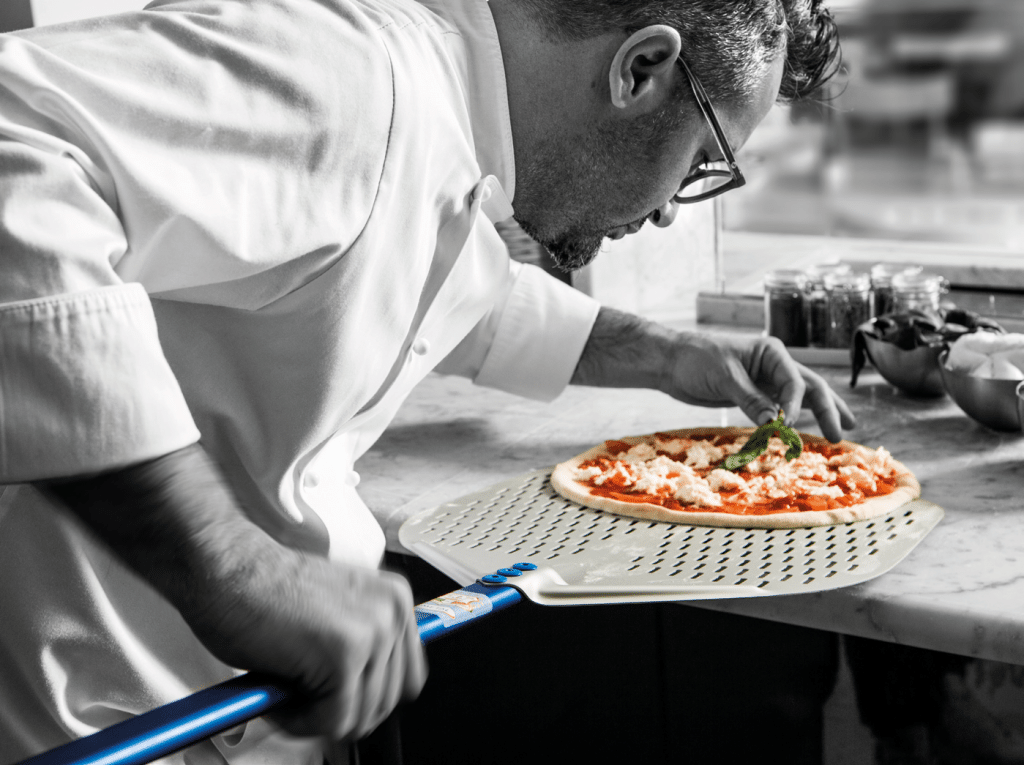
UNESCO Recognition and what it means for pizza equipment
UNESCO's recent recognition carries a quiet gravity, but what does it mean for the pizza equipment or tools that transform humble dough into something iconic?
Even a simple slice can feel like a small ceremony. With UNESCO’s recent recognition of Italy’s culinary tradition as an intangible cultural treasure, that gravity has only grown. It’s a global nod to centuries of craft, community, regional pride in everything that shapes it.
While UNESCO celebrates the people and practices behind Italian food, it also shines a light on something easy to overlook: the equipment shaped by generations of artisans. Ovens forged with regional know-how, mixers engineered to respect the dough’s living character, and tools built not just to work but to honour a tradition.
Why equipment matters in a UNESCO moment
Authentic pizza isn’t only about ingredients. It’s also about the machinery that prepares, shapes, and fires them into their final form.
Italian manufacturers understand this deeply. Many of them don’t just build equipment. They safeguard methods. They preserve techniques. Their factories carry echoes of workshops where craftsmanship came before mass production, and today they continue to blend modern engineering with traditions that predate electricity.
In light of UNESCO’s recognition, this craftsmanship feels newly significant. When you use Italian-made equipment, you’re not just investing in reliability. You’re aligning your kitchen with the very heritage that UNESCO has chosen to protect.
Certification and trust: why Italian accreditation matters
Names like Marana, IZZO, GI Metal and Vitella aren’t just respected brands; they are part of Italy’s culinary lineage.
These brands hold accreditation from organisations such as the True Neapolitan Pizza Association (AVPN), which validates equipment capable of producing pizza that meets strict Neapolitan standards. These certifications aren’t rubber stamps. They are challenges. They require equipment that respects:
- Traditional heat profiles
- Dough handling methods
- Artisan-level consistency
- Temperatures and timings required for true Neapolitan character
When a manufacturer meets those conditions, it signals something powerful: the equipment carries the DNA of the cuisine it serves.
Made in Italy, in every sense of the phrase
The beauty of Italian equipment isn’t just its geographic origin. It’s the philosophy behind it. Many of the manufacturers we work with continue to use methods that have been refined rather than replaced:
- Hand-finished components
- Thoughtful material selection
- Engineering driven by dough behaviour
- Continuous collaboration with Italian pizzaioli
These aren’t gestures to the past. They acknowledged that some things only work well because they were shaped slowly.
What this means for pizzerias today
For chefs and operators, UNESCO’s recognition isn’t only a cultural victory. It’s a business opportunity. Customers are increasingly curious about authenticity, story, and provenance. The equipment you choose becomes part of that narrative. At Pizza Equipment we source our brands with the same care; many are small artisan companies that use traditional methods or are larger companies with a culture or family inheritance behind them.
Using accredited, Italian-made equipment allows you to say with full confidence:
“Our process honours the same traditions UNESCO has celebrated.”
You’re not just making pizza. You’re participating in a recognized heritage.
A bridge between tradition and the modern kitchen
In a world where food trends come and go with startling speed, Italy’s culinary tradition has endured because it is rooted in real craft. The right equipment doesn’t replace that craft; it supports it. It lets chefs replicate centuries-old methods with the consistency modern service demands.
UNESCO’s recognition invites all of us to look again at Italian cuisine not just as something delicious, but as something profoundly cultural. And for those working in professional kitchens, it’s a reminder that authenticity starts long before the first ingredient is added. It begins with the tools built to honour a heritage.
Ask us about the brands that we stock, we will be more than happy to share the history and craftsmanship behind them.