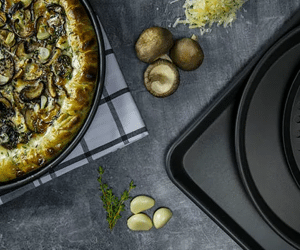
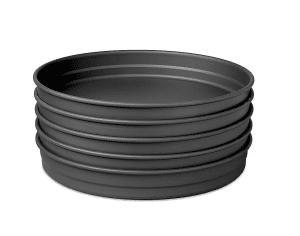
Seasonal Pizza: Making the most of fresh, local produce
For independent pizzerias, cafés and artisan food businesses, seasonal pizza is a simple way to keep a menu interesting while making the most of fresh, locally available ingredients.
Pizza is one of the most versatile foods around. The dough and cooking method might stay the same, but the toppings can change completely with the seasons.
And late summer is a particularly good time to look at what can be put on a pizza.
What is seasonal pizza?
Seasonal pizza is simply about making use of ingredients when they are naturally at their best and most readily available.
Rather than relying on exactly the same toppings throughout the year, chefs can build pizzas around what’s being grown locally and what’s tasting best right now.
In late summer, that could mean ripe tomatoes, courgettes, aubergines, peppers, sweetcorn, garlic and fresh herbs. As autumn arrives, the focus can shift towards squash, mushrooms, beetroot, potatoes and other hearty vegetables.
The result isn’t just a changing menu. It’s a different way of thinking about pizza.
SEASONAL PIZZA TOPPINGS TO TRY:-
Some of the best seasonal pizzas don’t need a long list of ingredients.
Tomatoes, basil and mozzarella
A classic combination for a reason. When British tomatoes are at their best, they need very little help. Add good mozzarella, fresh basil and a drizzle of olive oil and you’ve got a simple summer pizza that lets the ingredients do the work.
Courgette, roasted onions and herbs
Thinly sliced or roasted courgette works particularly well on pizza. Add, roasted onion, mozzarella and fresh herbs for a light summer combination.
Roasted aubergine and tomato
Aubergine brings a rich, savoury flavour when roasted, making it a natural partner for tomato, garlic and cheese.
Sweetcorn and peppers
Charred sweetcorn and peppers can add colour, sweetness and a little smokiness. Add chilli for some extra heat.
The important thing is not to overcomplicate things. Seasonal ingredients are often at their best when they’re allowed to be the star of the pizza.
Why use local produce on pizza?
There is also a wider conversation around sourcing ingredients locally.
Pizza is an international food, and some traditional ingredients will naturally come from much further afield. But that doesn’t mean every topping has to.
For independent cafés and pizzerias, looking at what is available from local growers and producers can create opportunities to introduce genuinely distinctive dishes.
A seasonal pizza topped with locally grown vegetables has a story behind it. It tells customers something about the place they’re eating in and the people producing their food.
That fits naturally with the growing interest in farm-to-fork cooking connecting food more closely with where it is grown and the people who produce it.
One example is FarmED in the Cotswolds, where seasonal produce from the farm and local producers plays an important role in the café’s approach to food.
We’ve also recently supplied LloydPans to chef Gareth Rhodes, who works with the FarmED Café. Gareth has been creating some great-looking pizzas using seasonal ingredients, and we’ve enjoyed seeing how the pans are being put to use.
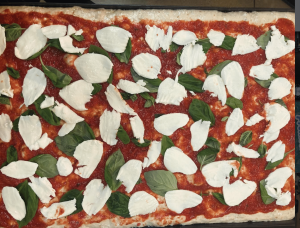
Photo: Tray pizza by Gareth Rhodes, baked for the FarmEd school class using fresh tomatoes and herb - using Lloyd pans

Photo: FarmEd Cafe in Cotswolds
It’s a good example of how pizza can fit naturally into a farm-to-fork approach: take what’s available, make the most of it and turn it into something people want to eat.
Could British produce inspire more pizzas?
For the UK pizza industry, there’s plenty of potential here.
We don’t necessarily need to replace traditional Italian ingredients or abandon established pizza styles. Instead, seasonal British produce can sit alongside them.
A pizza menu could evolve throughout the year:
Summer: tomatoes, courgettes, aubergines, peppers, sweetcorn and fresh herbs.
Autumn: squash, mushrooms, beetroot, potatoes and caramelised onions.
Winter: roasted roots, leeks, kale, and slow-cooked vegetables.
Spring: asparagus, peas, spring onions and fresh herbs.
That gives chefs a constantly changing source of inspiration and gives customers a reason to return to see what’s new.
The right pan for seasonal pizza
Of course, good ingredients are only part of the equation. The equipment used to bake the pizza matters too.
At Pizza Equipment and Supplies Ltd, we supply a range of professional pizza equipment, including LloydPans for different pizza styles.
From Detroit-style and Sicilian pizzas to Roman pizza al taglio and focaccia, the LloydPans range gives professional kitchens plenty of options for experimenting with different doughs, shapes, crusts and toppings.
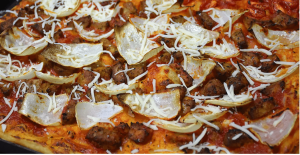
For businesses looking to introduce seasonal pizzas, Roman-style pizza al taglio can be particularly interesting. Producing pizzas in larger rectangular pans makes it possible to offer several different varieties, meaning a changing seasonal menu can be built around smaller batches of different toppings.
Let the seasons shape your pizza menu
Seasonal pizza doesn’t have to mean completely reinventing a menu every few months.
Sometimes it’s simply about looking at what’s available locally and asking how it could work on a pizza.
A handful of ripe tomatoes. Fresh herbs from a nearby grower. Roasted autumn squash. Locally grown mushrooms.
Small changes can make a menu feel fresher, more relevant and more connected to the place where the food is being served.
For artisan makers, independent cafés and smaller pizzerias, that can be a powerful idea.
Instead of asking what toppings you can put on a pizza, why not start by asking what’s growing now?
Explore the LloydPans range at Pizza Equipment and Supplies Ltd.