Pizza Oven Temperature Guide: Finding the Right Heat
Getting the right pizza oven temperature is one of the biggest factors in achieving consistent results. The ideal temperature depends on the pizza style, dough, toppings and desired bake time.
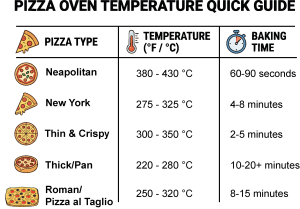
Pizza Oven Temperature Quick Guide
These are useful starting ranges. Your ideal temperature and timings will depend on your oven, dough and recipe. But this table is only a useful guide, read on to find out more about oven heat and measuring temperature.
It’s Not Just About the Oven Temperature display
One of the most common mistakes is treating the oven's displayed temperature as the only measurement that matters.
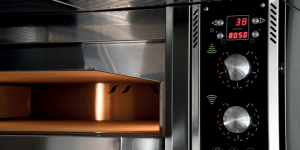
For pizza, the cooking surface or deck temperature is particularly important. This is the surface transferring heat directly into the dough, while the ambient temperature affects the top of the pizza. A pizza oven might show a high internal temperature, but if the deck hasn't recovered between bakes, the base can still cook differently from one pizza to the next.
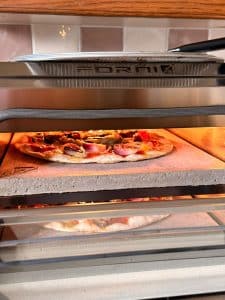
This is why most professional ovens will pay attention to both top heat and bottom heat. For example, the Effuuno range are favorite among those looking for a compact oven with great temperature control, they feature entirely separate thermostats and heat controls over the ceiling and stone deck elements Or consider a double deck or stackable pizza ovens, which feature independent chambers with separate controls for each deck, allowing you to bake different items or run a single deck during quieter hours.
Match the Heat to the Pizza
Different pizza styles will require different approaches, so here’s what you need to consider for each one:
Neapolitan Pizza
Neapolitan pizza is designed for very high heat and a rapid bake. Temperatures around 380 to 430°C on the cooking surface can produce the characteristic blistered crust and soft centre in roughly 60 to 90 seconds.
At these temperatures, heat management is critical. A small change in positioning or deck temperature can quickly affect the crust.
Thin & Crispy Pizza
Thinner, crispier pizzas generally benefit from a lower temperature and longer bake. Around 300 to 350°C gives the dough more time to dry and crisp without burning the toppings.
New York Style
New York-style pizza typically sits between very high-temperature Neapolitan baking and lower-temperature pan pizza. Around 275 to 325°C provides enough heat for a well-browned base while allowing the larger pizza to cook through.
Thick or Pan Pizza
Thicker pizzas need more time for the centre of the dough to cook properly. A lower temperature of around 220 to 280°can help prevent the outside from becoming overdone before the middle is ready.
How to Know If Your Oven Is Too Hot?
Signs that your oven may be running too hot include:
- The base is burning before the toppings are cooked.
- The crust colours extremely quickly.
- Cheese or toppings scorch before the dough is ready.
- The pizza needs constant repositioning to avoid hot spots.
If this happens, reducing the temperature isn't always the only solution. Moving the pizza to a cooler area of the deck or adjusting the balance between top and bottom heat may produce better results.
What If Your Oven Is Too Cool?
A cooler oven can cause:
- Pale or underdeveloped crust
- A soft, doughy base
- Longer bake times
- Excess moisture in the centre
- Toppings that dry out before the crust is properly baked
Measuring Pizza Oven Temperature
An infrared thermometer allows you to measure the cooking surface directly and identify differences across the deck.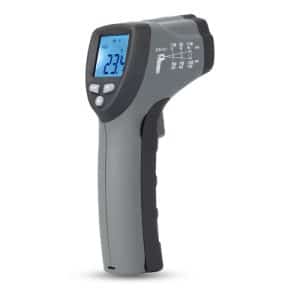
Checking the temperature in several areas can also reveal hot and cool spots, helping you decide where different pizzas should be positioned during service.
For professional pizza makers, the goal isn't simply to have a hot oven, it's to have controlled, repeatable heat.
So if you would like to test any of our ovens for compatibility contact us to arrange a demo in our pizza showroom. Or ask us about our pizza training courses.